Jaan Poska – a voice that shaped Estonian history
“Today is the most important day for Estonia in its 700-year history: today, for the first time, Estonia determines its own future.”
These were the words spoken by Jaan Poska on 2 February 1920, after signing the Treaty of Tartu. He said them quietly to members of the Estonian delegation, almost to himself.
Poska was a skilled diplomat, a wise strategist and a shrewd tactician. At the same time, he was not a particularly strong public speaker, although eloquence was expected of lawyers at the time. Yet it was precisely Jaan Poska’s voice that proved decisive in Estonian politics at pivotal moments.
Journalist, diplomat and later Minister of Foreign Affairs Hans Rebane once said:
“There was no one else in the Constituent Assembly with such a distinctive authority, whose voice rose above the everyday struggles of parliament, to whom one could turn at those moments when no one else could help.”
“What Laidoner was to our army, Poska was to our foreign policy,” Rebane wrote.
Jaan Poska was a politician of firm resolve and a calm voice, whose opinions were valued by both Konstantin Päts and Jaan Tõnisson. At Poska’s home, Estonia’s young political elite—striving for statehood—gathered for counsel. In a sense, this was the cradle of the Treaty of Tartu, as it was here that Poska prepared the negotiation plans and the documents that secured Estonia’s independence.
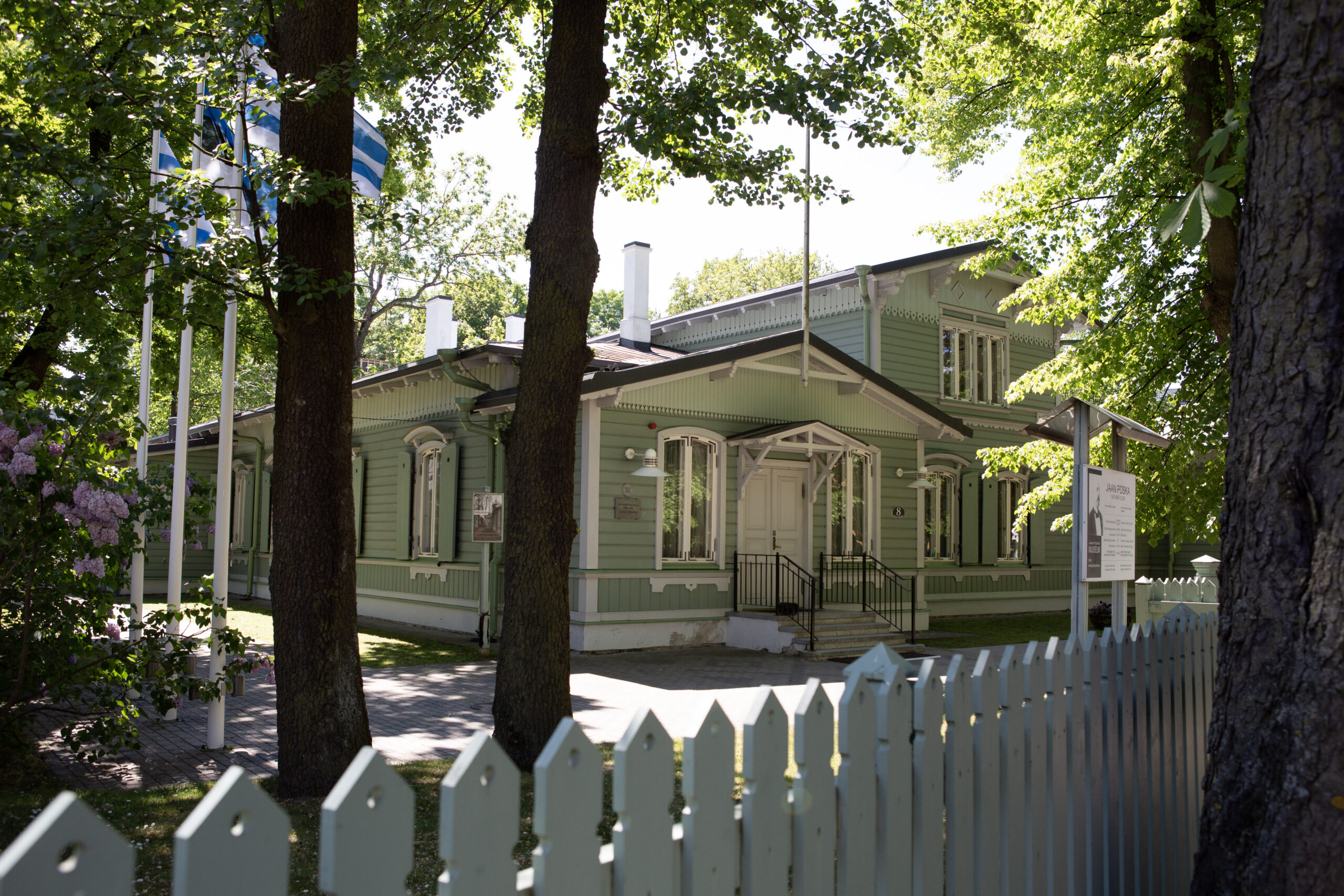
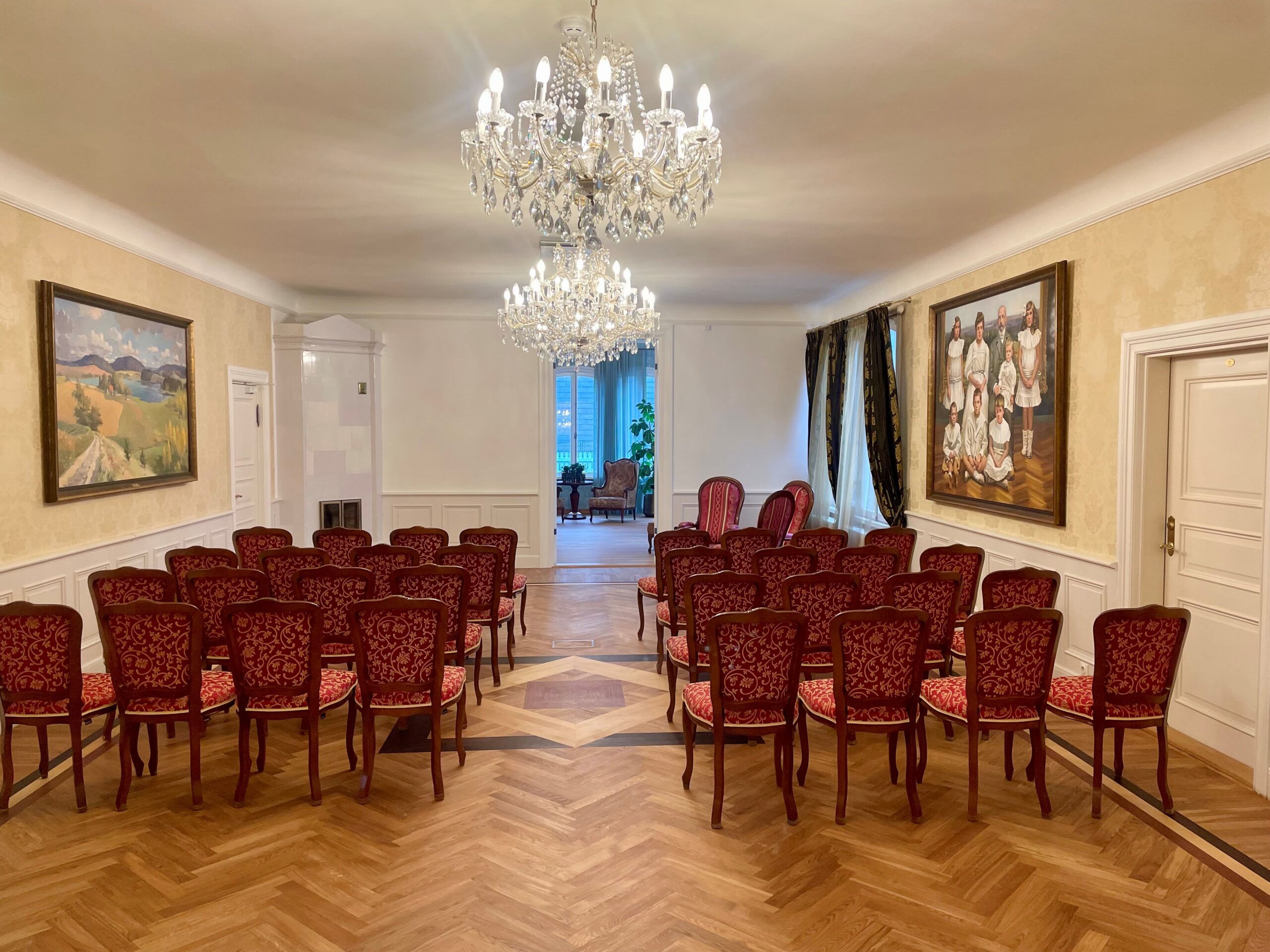
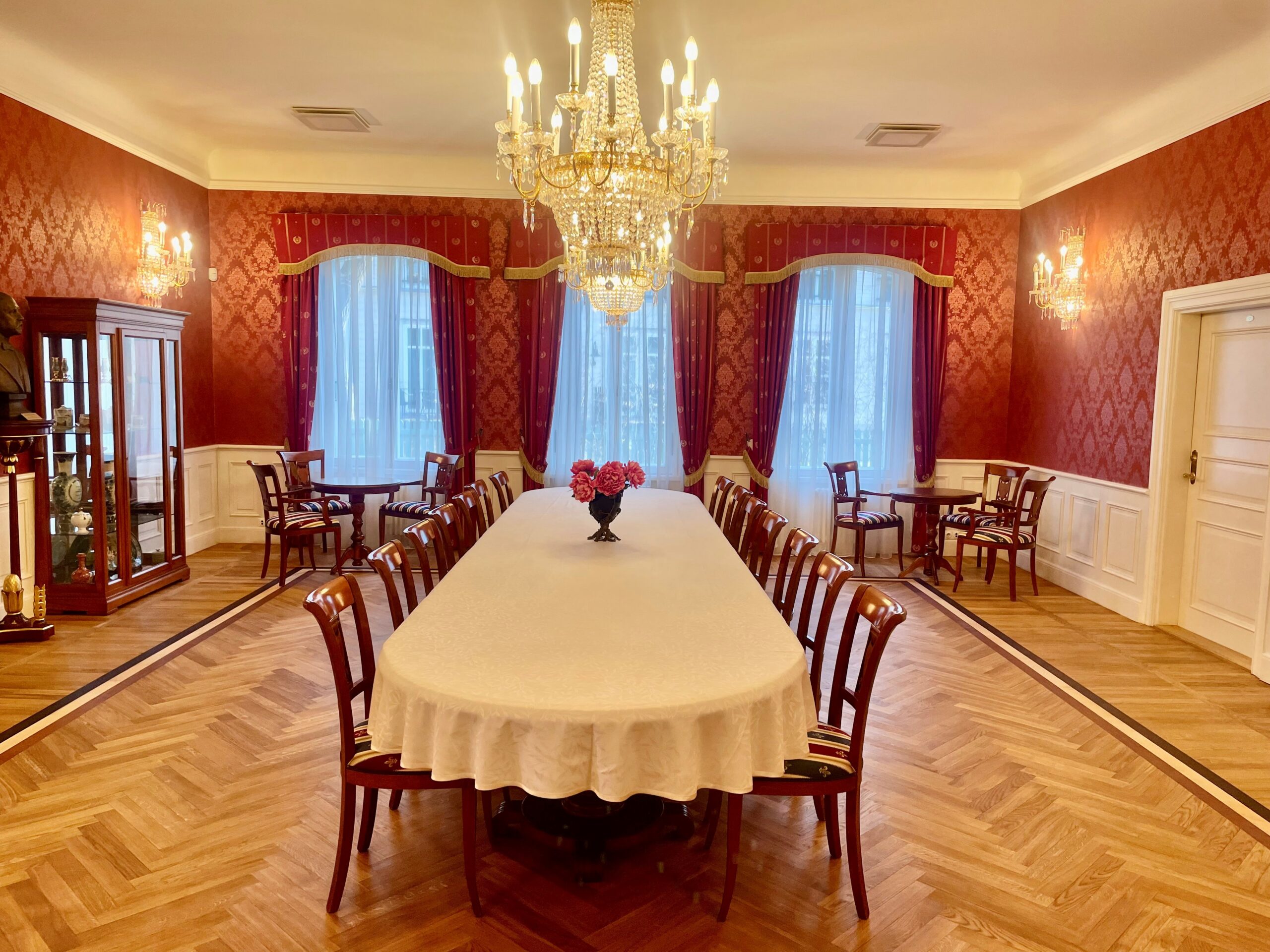
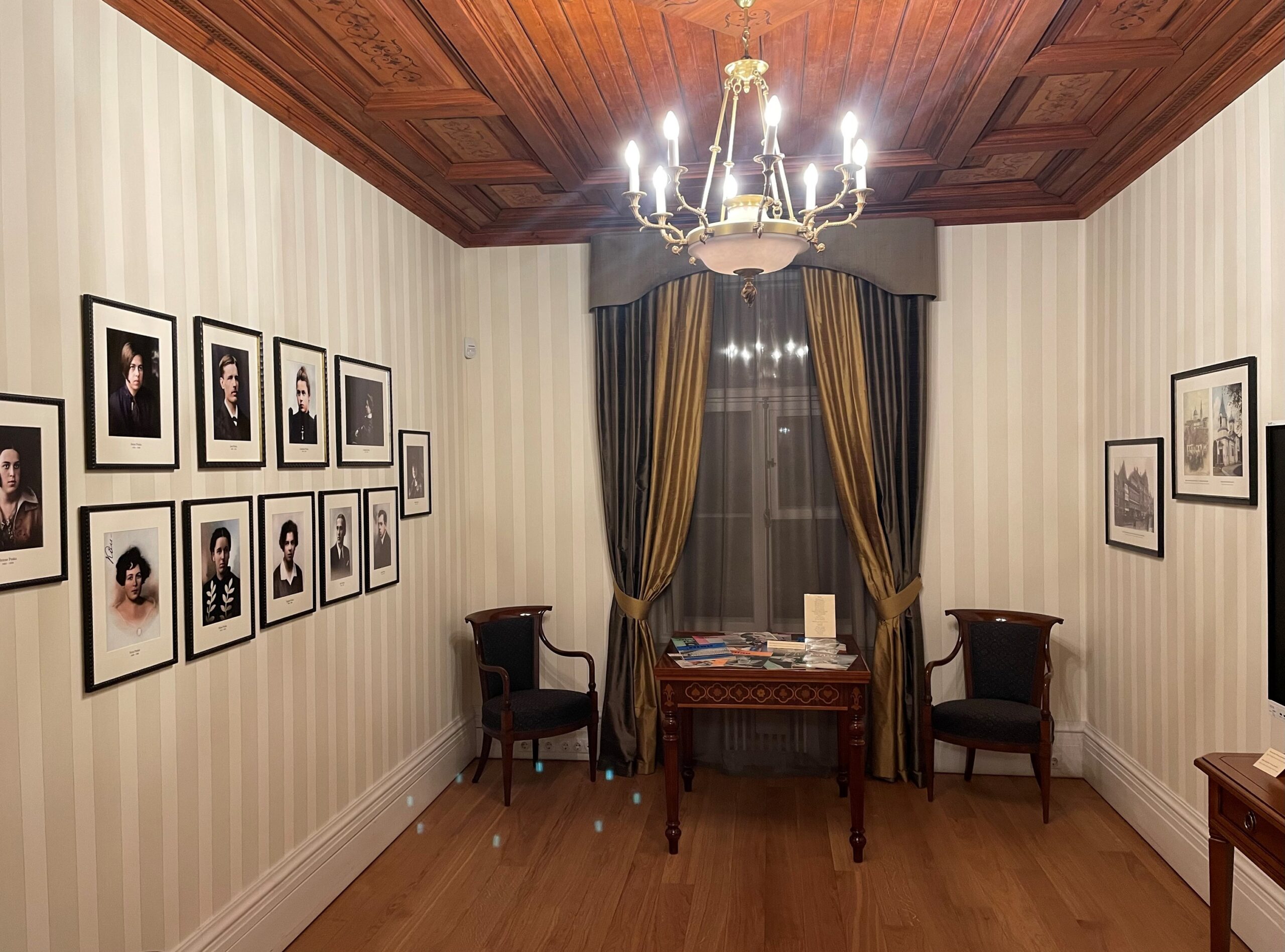
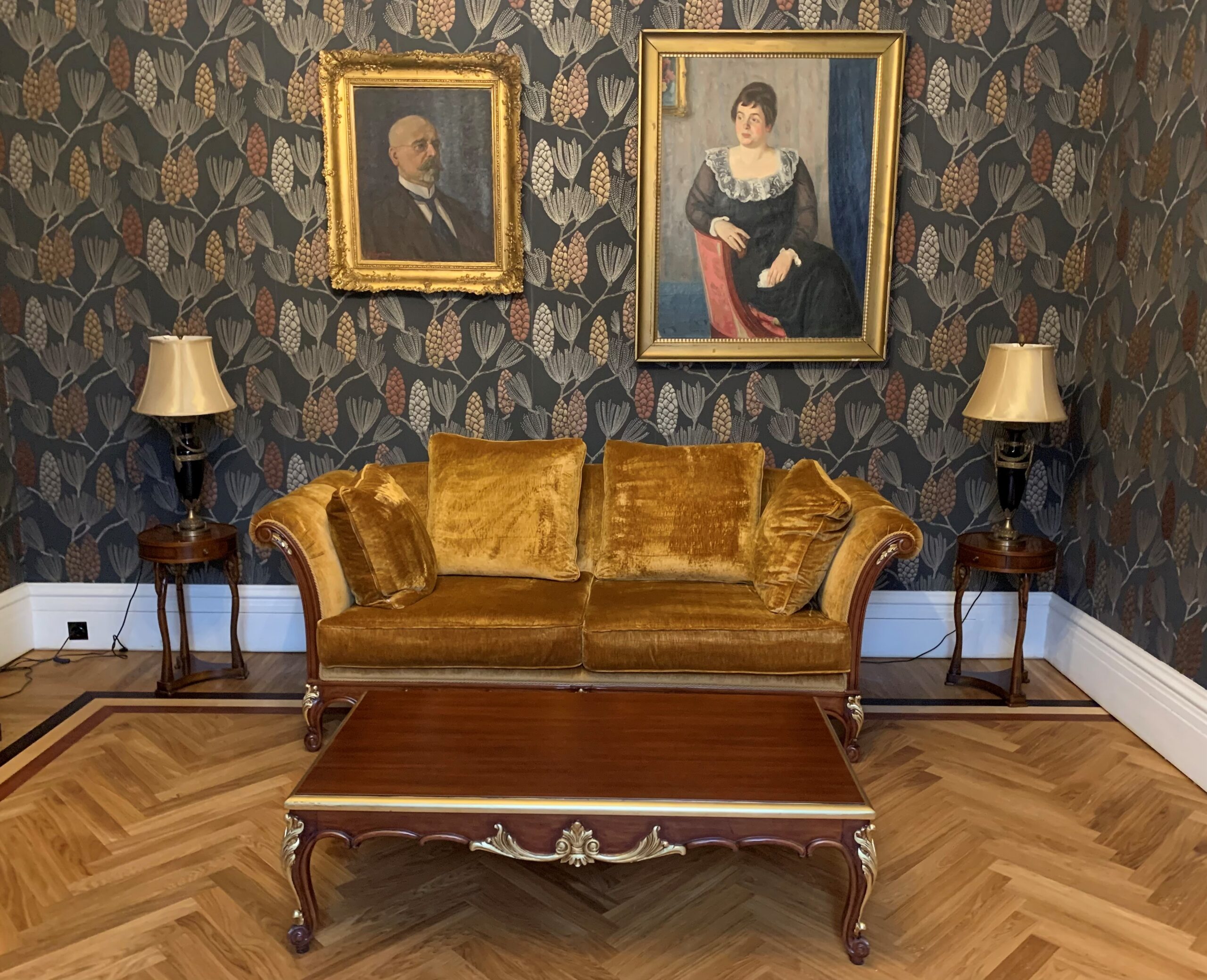
In his Kadriorg home, comparable in size to a small manor, Jaan Poska and his wife Constance also hosted Tallinn’s first Estonian salon. Here, intellectuals met with Russian officials and foreign diplomats; current affairs were discussed, music was performed, and social life flourished. Alongside the voices of politicians, actors and musicians of the time, you can imagine the voices of the Poska family and the laughter of his children. In Jaan Poska’s beautifully restored home, you can discover their stories in greater detail.
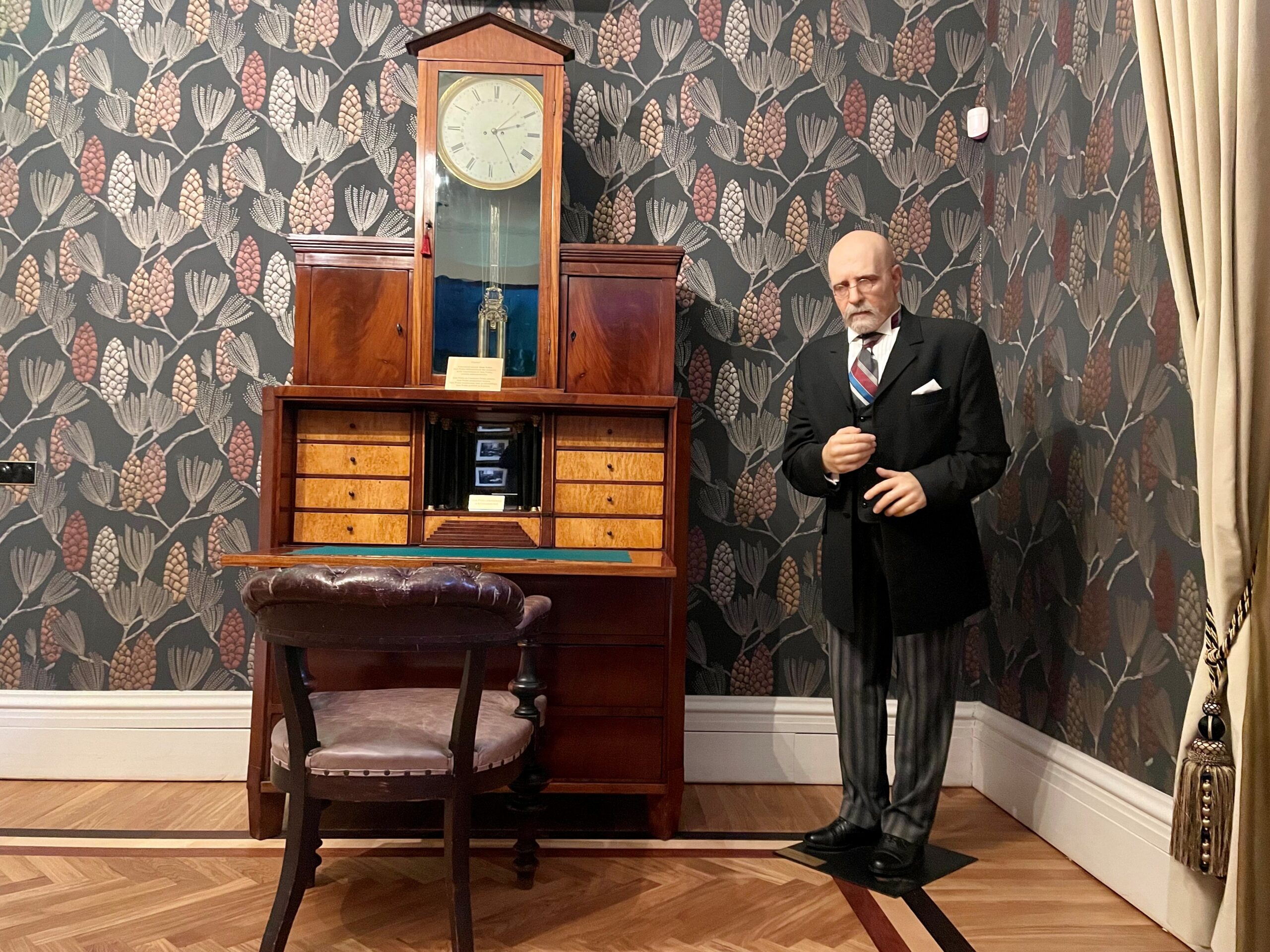
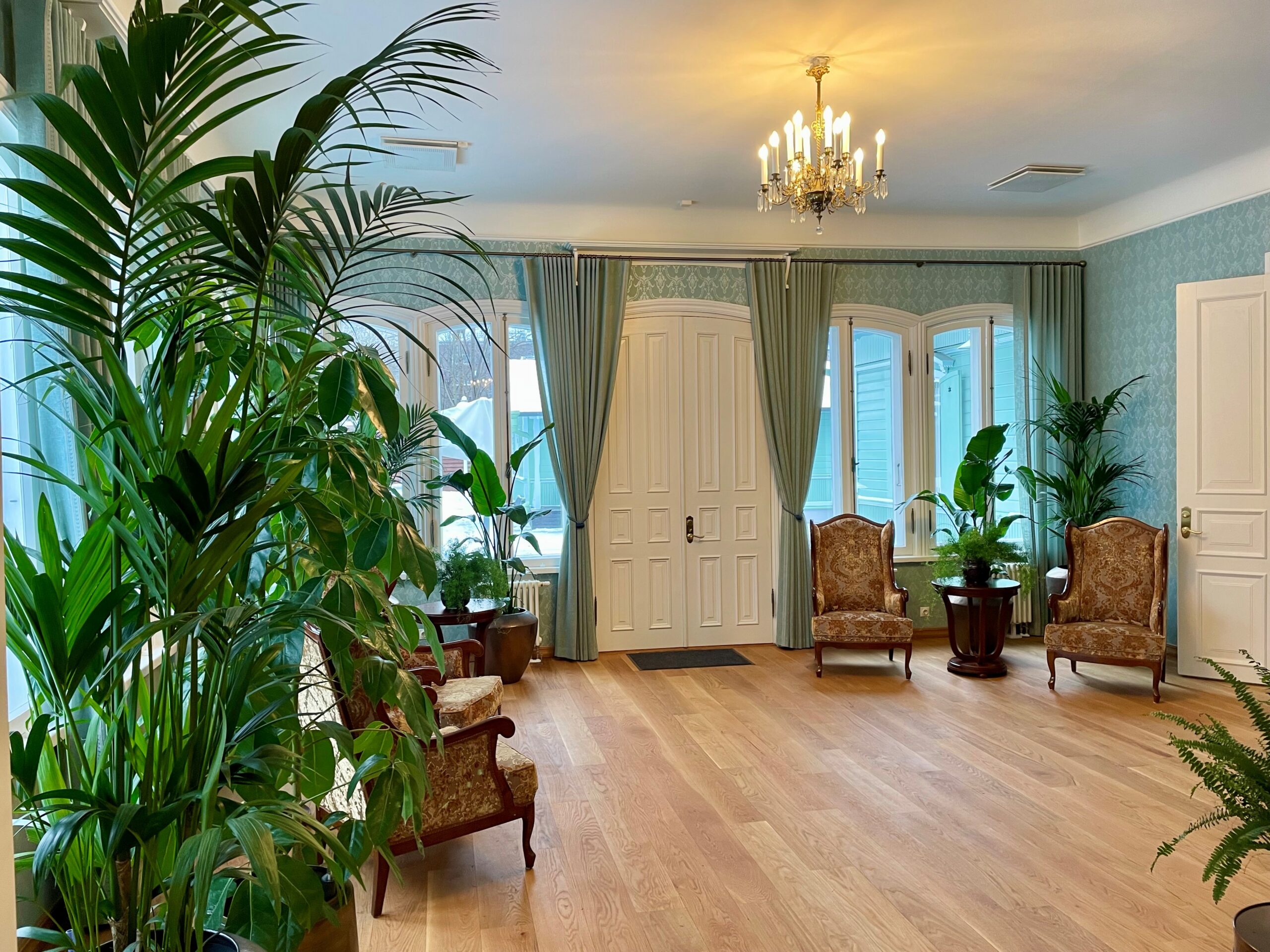
We look forward to welcoming you to the Jaan Poska House! You will find the exhibition “Statesman Poska and His Family”, rooms restored based on historical photographs, and a winter garden recreated on the former veranda.